Inspiration

Minimalist Product Design in Medical Devices

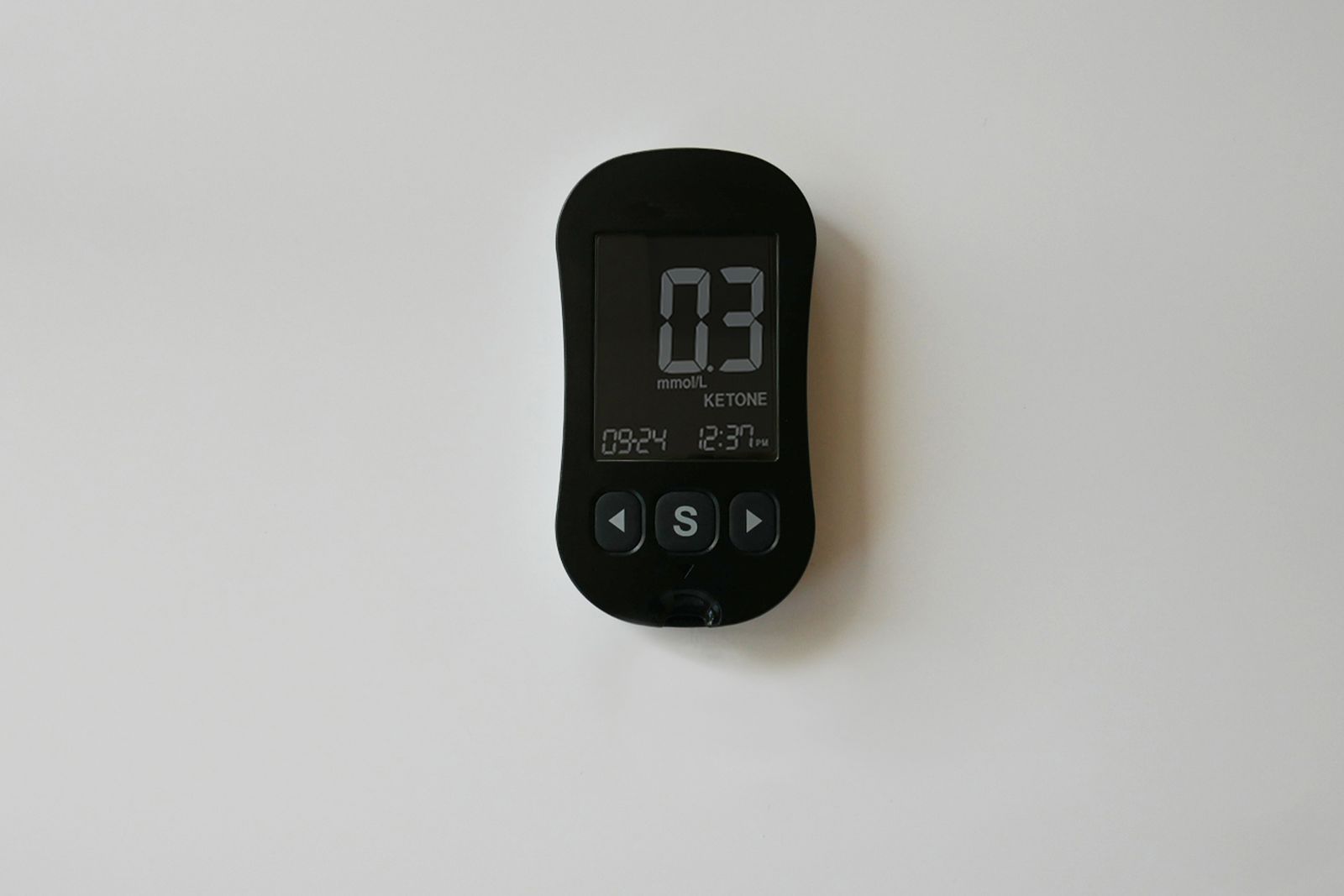
Good design in medical technology is not about looking pretty for its own sake. It is about removing everything that stands between a person and their health. The most thoughtful devices being made today are defined less by what they add and more by what they leave out: no clutter, no confusion, no friction, and no intimidating learning curve.

Minimalism in this context is a discipline, not a style. Every button that is removed, every step that is simplified, and every screen that is decluttered represents a deliberate decision to make the device easier to live with — and easier devices are the ones people actually use, day after day, the way their health depends on.

Smaller, quieter, smarter

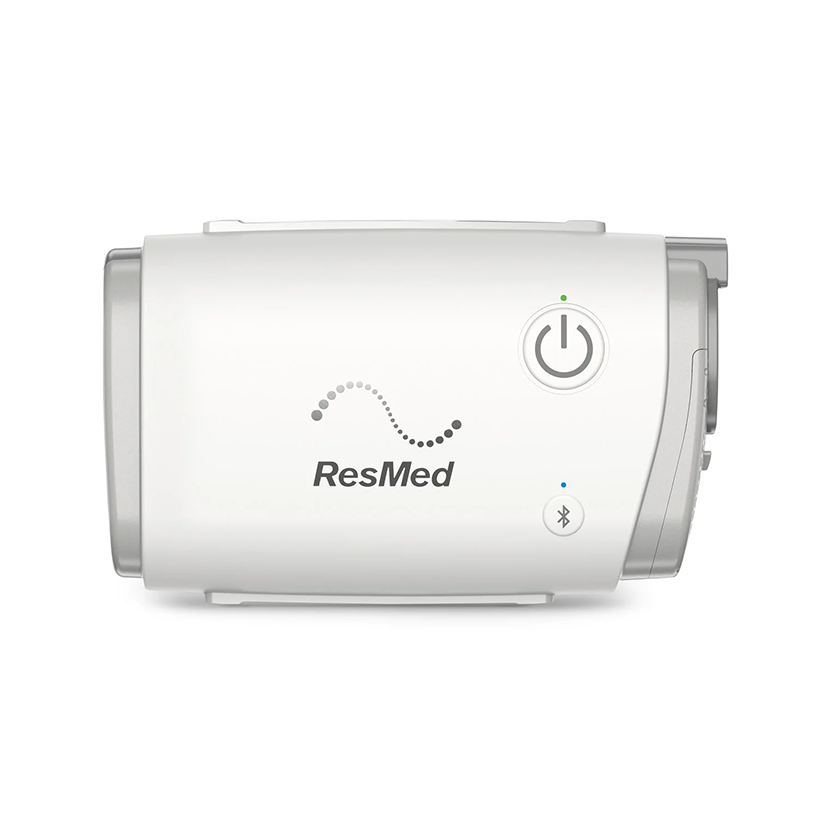
The AirMini portable CPAP proves that a full therapy device can be stripped down to pocket size without giving up any of its performance. By replacing bulky hardware and complicated controls with a clean, intuitive design, it turns what used to be a cumbersome nightly ritual into something almost effortless.

There is real clinical value in that simplicity. A device that is light, quiet, and easy to set up is a device people keep using, and consistency is what ultimately determines whether a therapy works in the real world rather than just in theory.

Technology that disappears

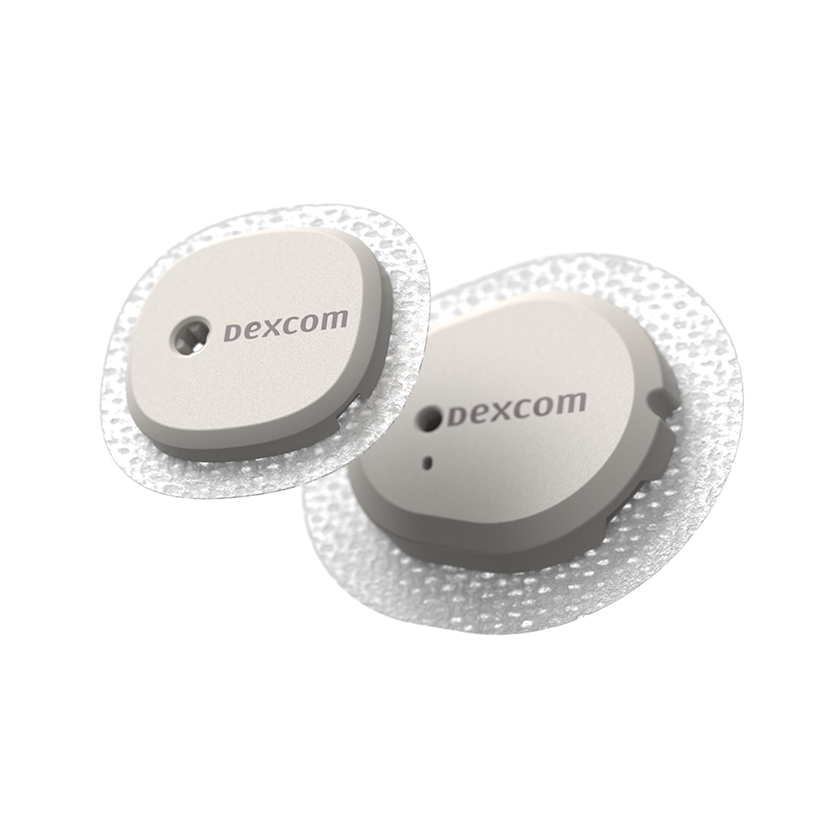
A discreet sensor like the Dexcom G7 shows how the best devices blend into daily life, gathering continuous information while asking almost nothing of the person wearing it. There is no ritual to perform and no equipment to manage — just a small, unobtrusive presence that quietly does its job.

When a device becomes this invisible, the experience shifts from managing a machine to simply living. The technology recedes, and the person — not the equipment — takes center stage, which is exactly where the focus belongs.

Less, but better

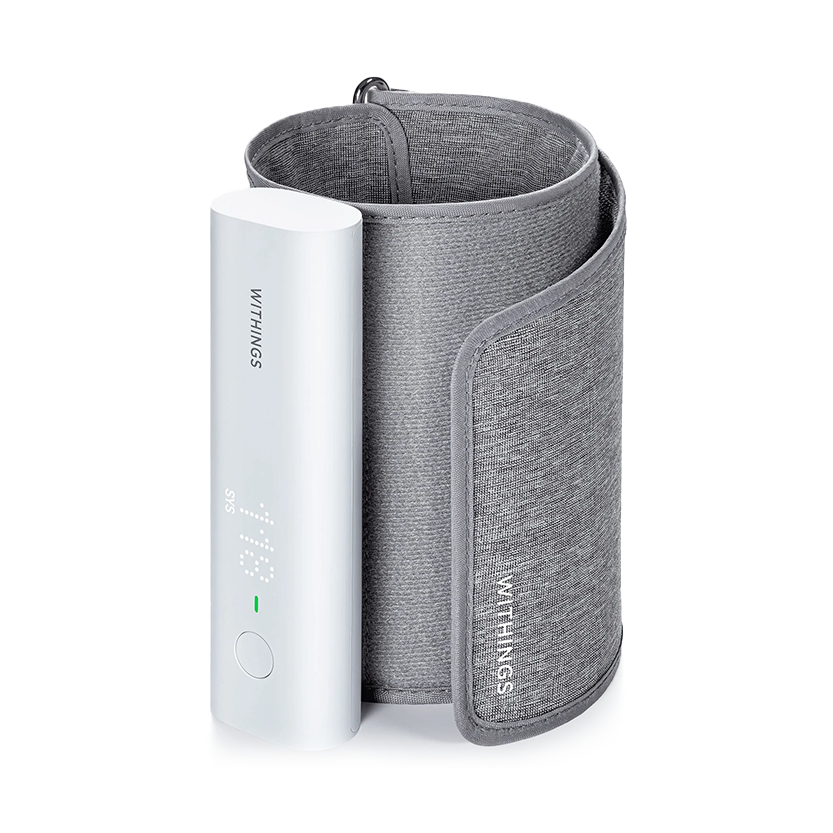
A sleek connected monitor like the BPM Connect captures a clinically reliable reading with a single, simple gesture, then handles the rest — recording, syncing, and trends — without demanding any extra effort. It embodies the minimalist principle that a device should do more while asking for less.

This is the deeper truth of minimalist medical design: when a device asks less of its user, more people use it correctly and consistently. Simplicity, done right, is not a cosmetic choice but a form of accessibility — and accessibility is what turns good technology into better health.