Blog
What’s New in the AI Era
Artificial intelligence has moved from the research lab into the fabric of everyday healthcare, and the change is happening faster than most people realize. The devices arriving in homes and clinics today do not just record numbers; they interpret them, learn from them, and increasingly act on them. In the AI era, a medical device is less a passive instrument and more an attentive partner in someone's health.
This new generation of tools shares a common thread: they turn the overwhelming flood of health data into something clear and actionable. Instead of asking patients and caregivers to become amateur statisticians, they surface the few signals that matter and quietly filter out the noise, making continuous monitoring genuinely useful rather than simply abundant.
Continuous monitoring that thinks
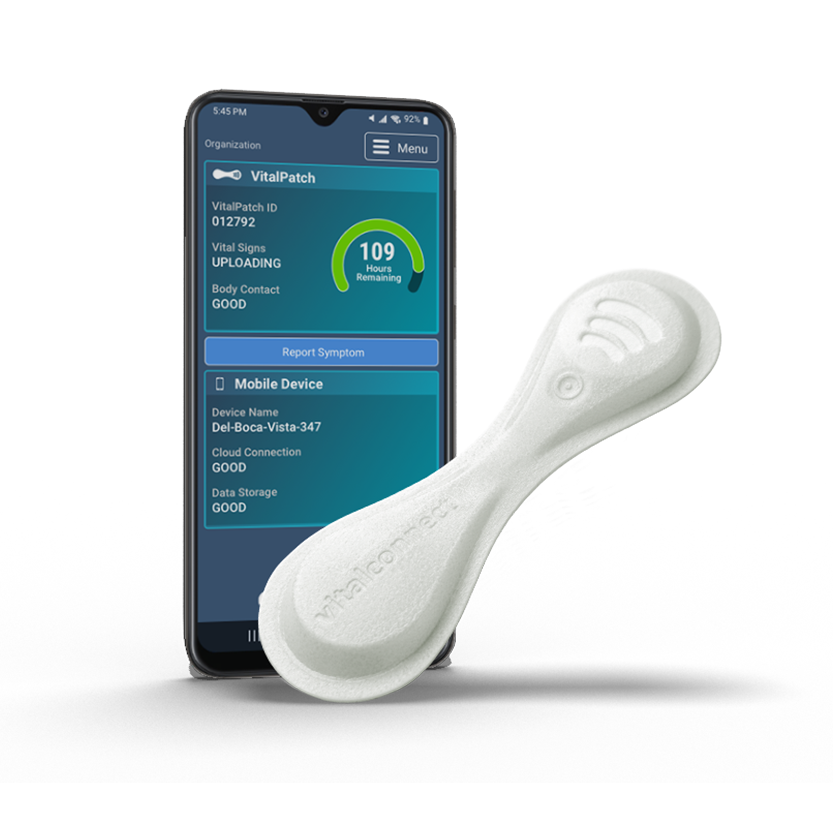
The VitalPatch is a small adhesive sensor that streams a continuous picture of heart rate, respiration, temperature, and activity, then uses on-board intelligence to recognize patterns that would be invisible to a once-a-day check. Where a traditional reading is a single snapshot, this is a moving film of a person's physiology, and AI is what makes that film readable.
By learning an individual's baseline, the system can distinguish a harmless fluctuation from an early warning. That difference is the entire point of the AI era: not more data for its own sake, but earlier, smarter, and more confident decisions made from the data that already exists.
Awareness without intrusion
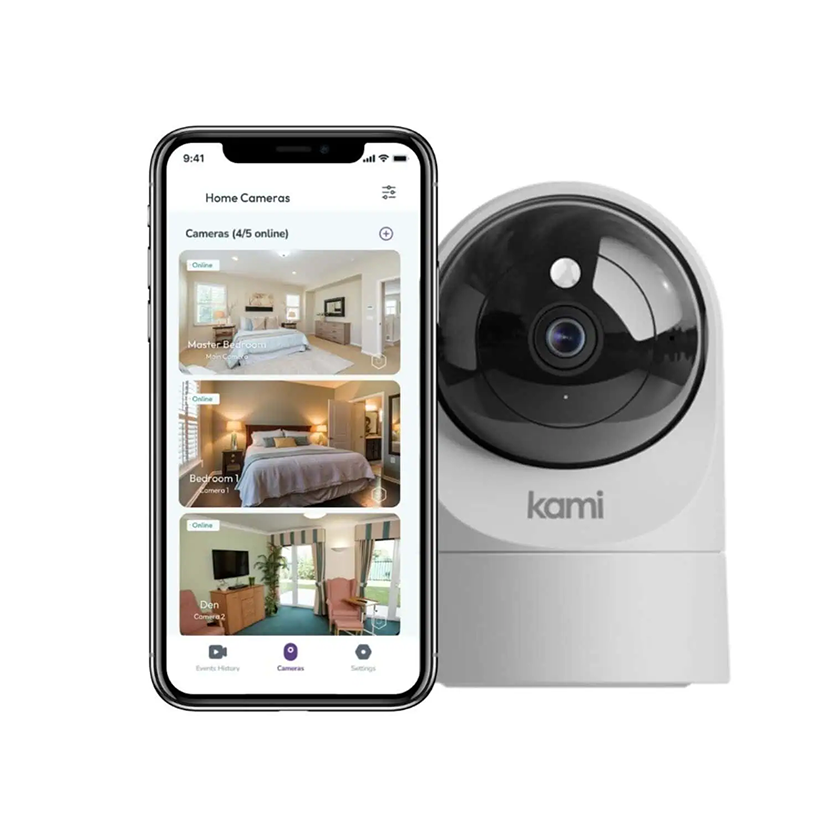
Intelligence in the home does not have to mean surveillance. Devices like Kami bring computer vision and event detection into living spaces, but the emphasis is on meaningful alerts rather than constant watching. The goal is to notice the moments that matter — a fall, an unusual absence, a change in routine — while leaving ordinary life entirely undisturbed.
When designed responsibly, these systems give families a sense of connection across distance. A daughter in another city can know that her father is moving through his day as usual, reassured by intelligence that respects his autonomy instead of hovering over it.
From data to genuine insight
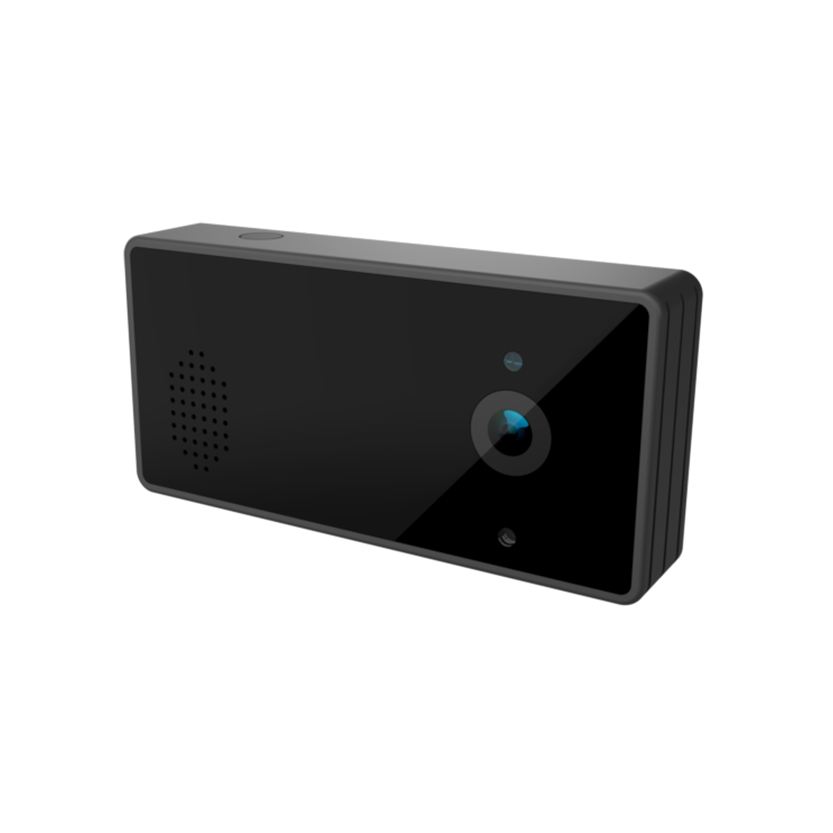
The Sentinare 3 represents where this is all heading: an on-device AI that quietly builds an understanding of a person's wellness patterns and translates them into gentle, timely guidance for caregivers. It does not simply report what happened; it helps interpret what it means and what might come next.
This is the real promise of artificial intelligence in healthcare. The technology is most valuable not when it is most visible, but when it fades into the background and leaves behind something deeply human: more time, more reassurance, and more confidence in the care of the people we love.