Mobility

Precision at the Point of Measurement
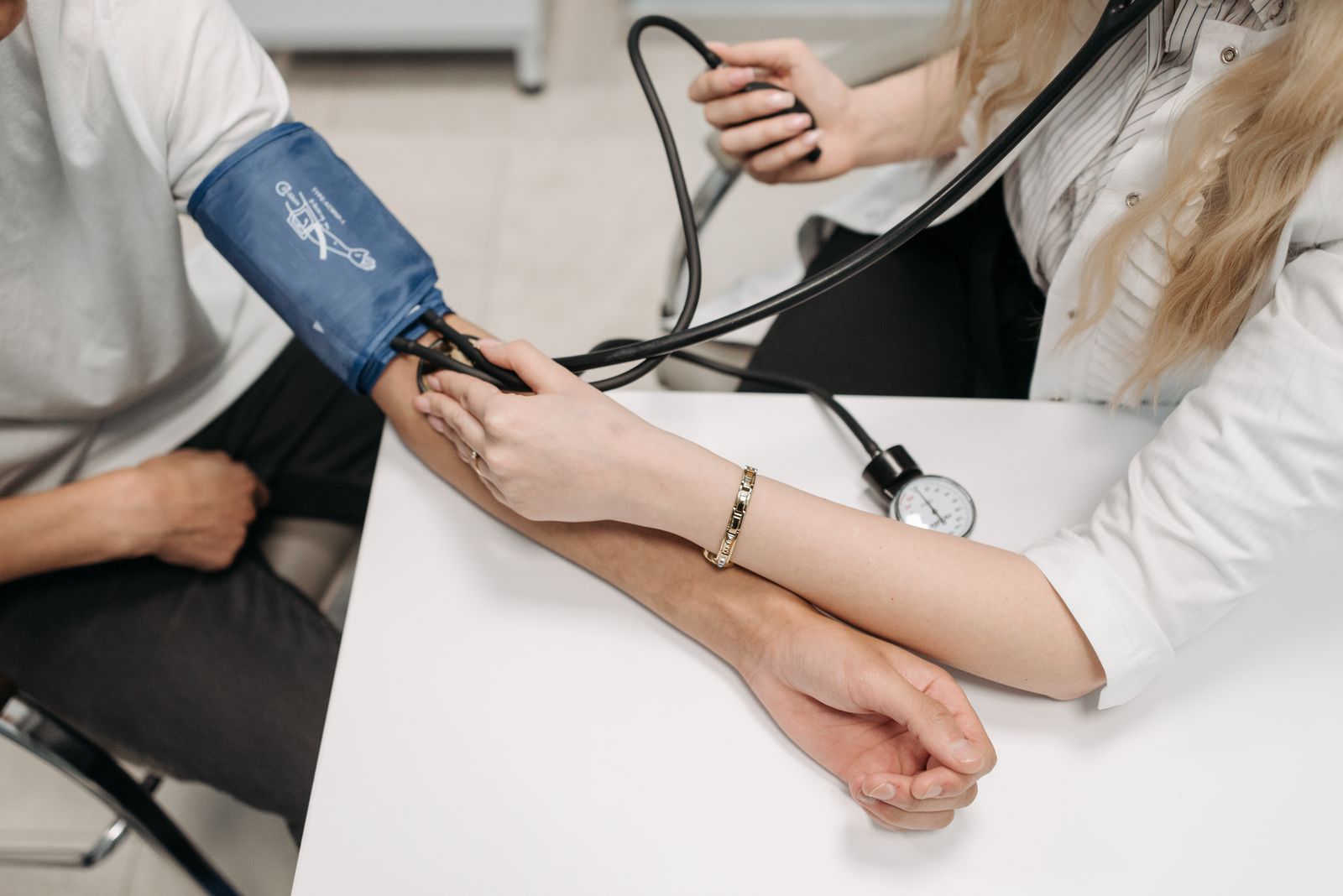
Blood pressure being measured with a cuff

In healthcare, a number is only as valuable as it is accurate. A blood pressure reading that drifts, a measurement taken with the wrong technique, or a device that quietly loses its calibration can send care in the wrong direction entirely. As more monitoring moves out of the clinic and into the home, precision at the exact point of measurement has become one of the most important — and most overlooked — qualities a device can have.

The encouraging news is that consumer-grade devices have closed much of the gap with clinical equipment. Through better sensors, smarter algorithms, and thoughtful design that guides correct use, today's home monitors can deliver readings that doctors are genuinely willing to trust.

Clinical accuracy, made simple

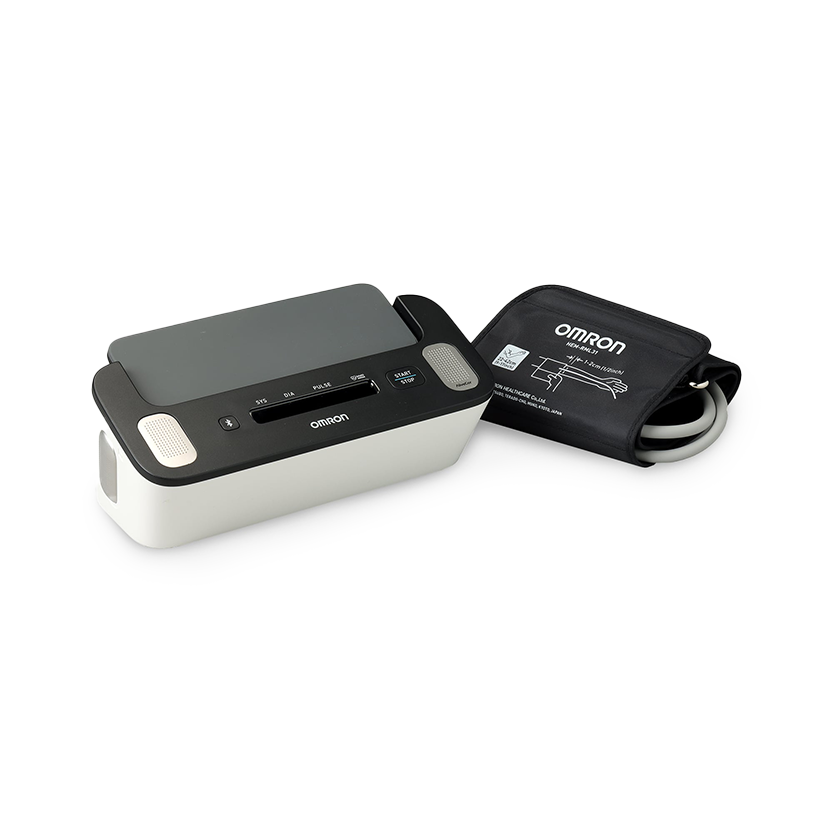
The OMRON Complete combines a blood pressure monitor with a single-lead ECG in one device, bringing two clinically validated measurements into a single, easy gesture. By guiding the user through correct cuff placement and posture, it removes the small mistakes that so often corrupt home readings, ensuring the number on the screen actually reflects what is happening in the body.

That reliability changes the relationship between patient and clinician. When home readings can be trusted, they become a true extension of the clinic rather than a rough approximation, allowing care decisions to be made with real confidence between visits.

Measurements that flow into the bigger picture

A precise reading is even more powerful when it is automatically captured and shared. Connected monitors like the BPM Connect record each result and sync it seamlessly to a phone and to care teams, eliminating the transcription errors and forgotten logbooks that have always undermined home monitoring.

This continuity turns isolated snapshots into a meaningful trend. A single high reading might be noise, but a reliable record over weeks tells a clear story, and it is that story which guides genuinely effective treatment.

Confidence you can act on

Smart tracking tools tie everything together, organizing readings over time so that both patients and clinicians can see direction, not just data points. When measurements are precise at the source and faithfully recorded, the resulting picture is one people can actually act on.

Precision at the point of measurement is, in the end, about trust. It is what lets a person believe their own numbers, lets a doctor rely on them from a distance, and lets everyone make calmer, better-informed decisions about health.