Blog
Reinterpreting Home Care
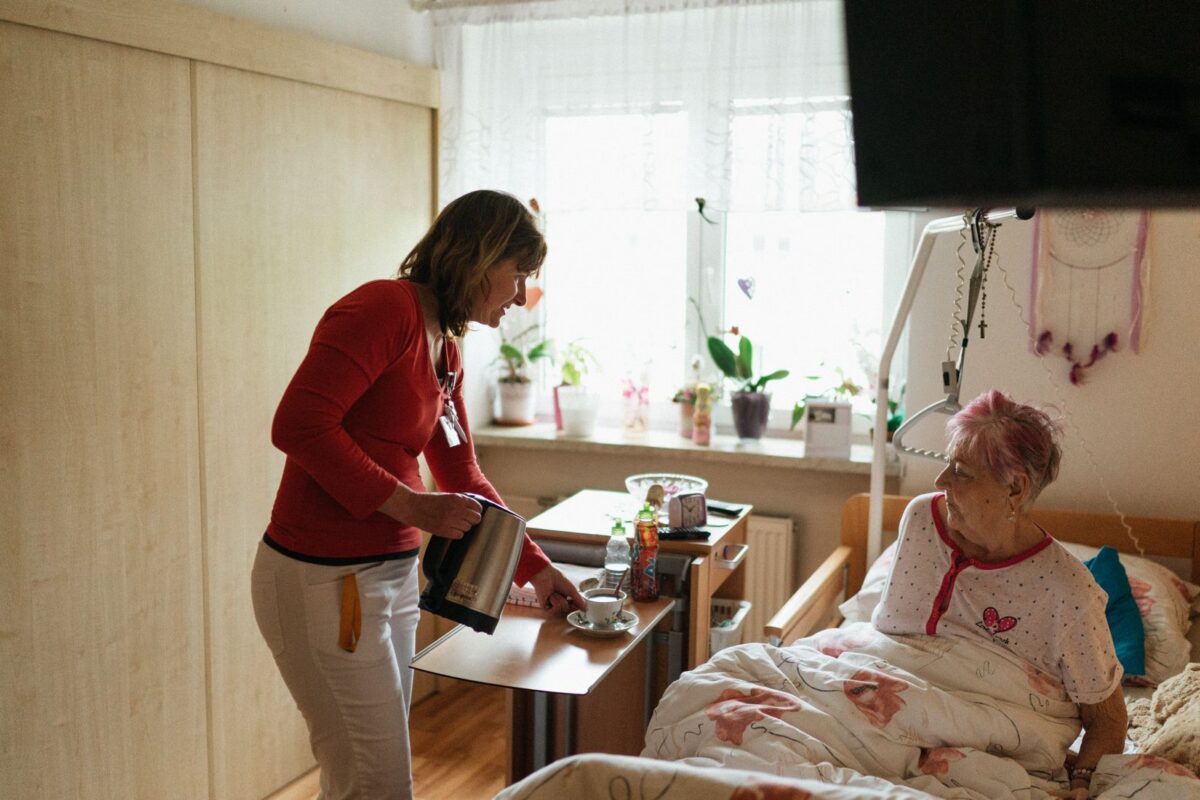
For most of modern history, serious care meant leaving home. A diagnosis often came bundled with a quiet assumption that independence would have to be surrendered, that safety and freedom were somehow opposites. A new wave of connected devices is rejecting that trade-off entirely, reinterpreting home care as something that strengthens independence rather than replacing it.
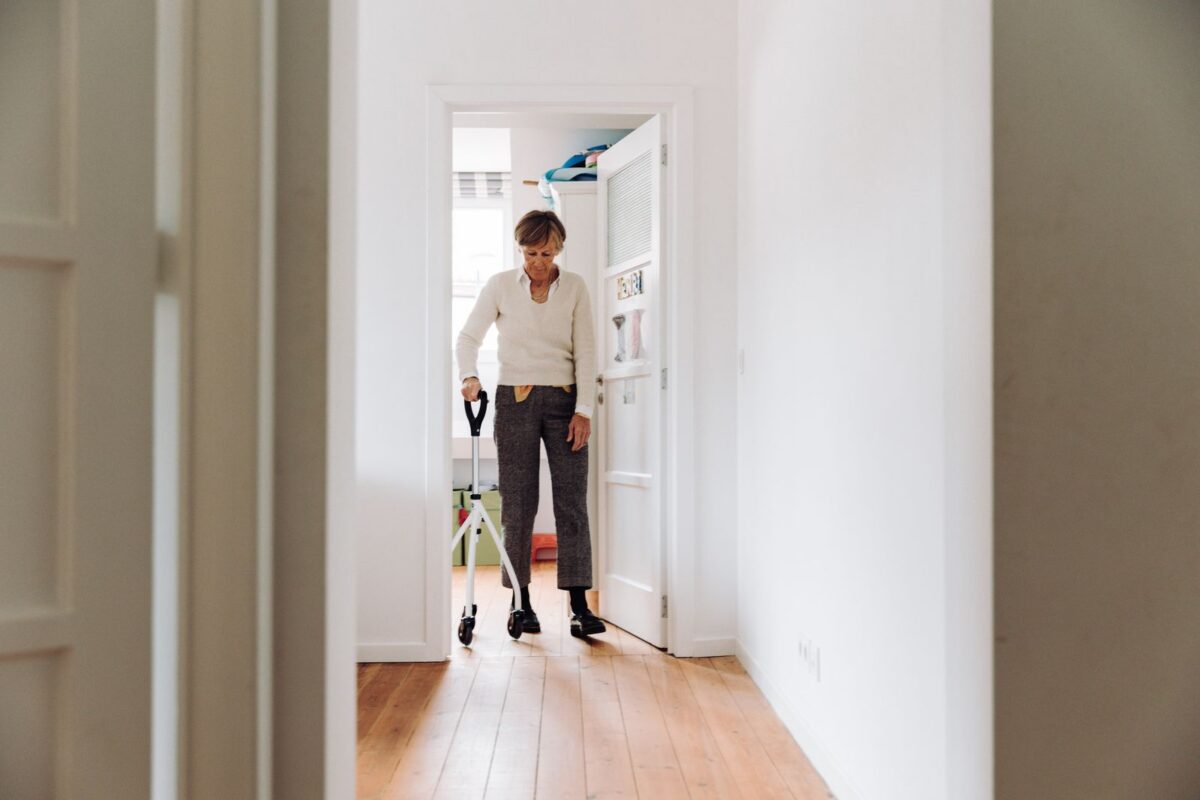
This reinterpretation matters most for older adults and for anyone managing a long-term condition. The aim is no longer simply to watch over people, but to design an environment that anticipates their needs, responds to emergencies, and otherwise stays gracefully out of the way.
A home that watches without watching
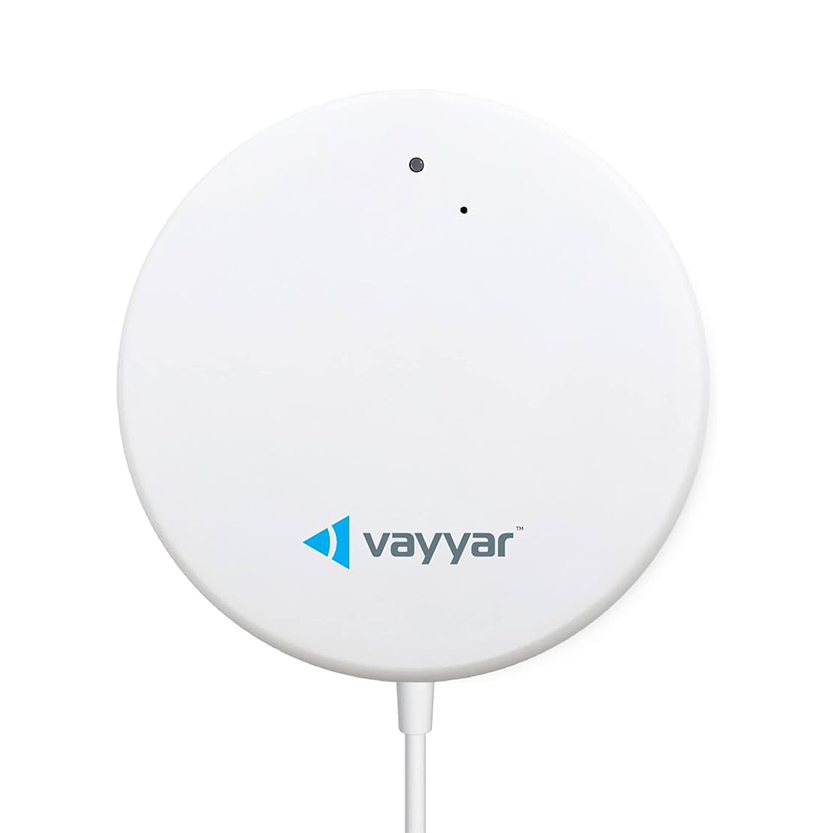
Radar sensors such as Vayyar Care turn an ordinary room into a protective space without any camera, wearable, or visible equipment. The system maps movement and posture in real time, recognizing a fall the moment it occurs while remaining completely blind to the kind of personal detail that makes camera-based monitoring feel invasive.
For the person living there, nothing about the room changes. There is no device to wear, no button to remember, no sense of being observed. Protection becomes a property of the home itself, woven invisibly into the walls.
Familiar objects, quietly reimagined
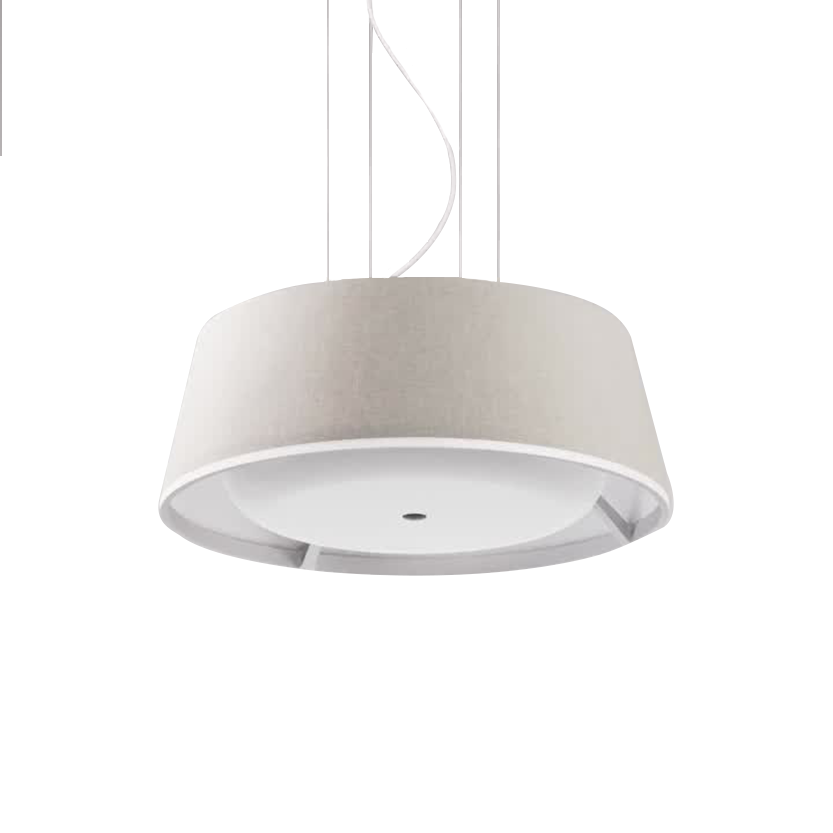
The Nobi Smart Lamp shows how powerful it is to hide capability inside something ordinary. It lights a hallway like any lamp, but it also detects falls, communicates with caregivers, and can even speak reassuringly to the person below it while help is on the way. By disguising sophisticated technology as a familiar household object, it sidesteps the resistance that visible medical gear so often provokes.
This is reinterpretation at its best: not adding more machines to a home, but giving the things already there a quiet new intelligence.
Help that reaches beyond the front door
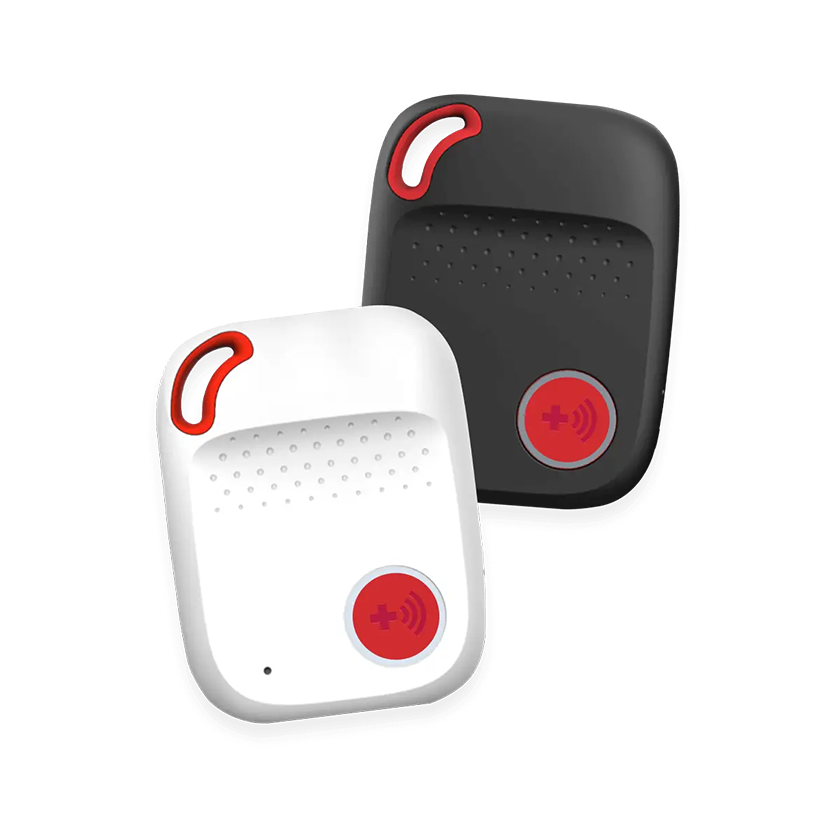
Independence does not end at the doorstep, and neither should care. Compact location and safety devices like the SOS Micro GPS extend that same protective net to walks, errands, and time spent in the garden, giving both the wearer and their family confidence that help is always within reach.
Reinterpreting home care, then, is really about expanding what home can mean. With the right tools, home is not a place someone is confined to for safety — it is the secure base from which a full and independent life continues to unfold.