Mobility

No Immobility Anymore

Person with a prosthetic leg walking during rehabilitation

For people living with paralysis, the effects of a stroke, or a serious neurological injury, mobility once meant adapting an entire life around a wheelchair. The question was not whether someone would walk again, but how the world around them could be reshaped to accommodate the fact that they would not. A remarkable generation of powered exoskeletons and smart orthoses is rewriting that story, helping people stand, step, and rebuild strength in ways that felt impossible only a decade ago.

These devices represent one of the most hopeful frontiers in modern medicine. They do not merely compensate for lost movement; in many cases they actively help restore it, blending robotics, sensors, and rehabilitation science into tools that give people back something profoundly human — the ability to move through the world on their own two feet.

Walking, reimagined

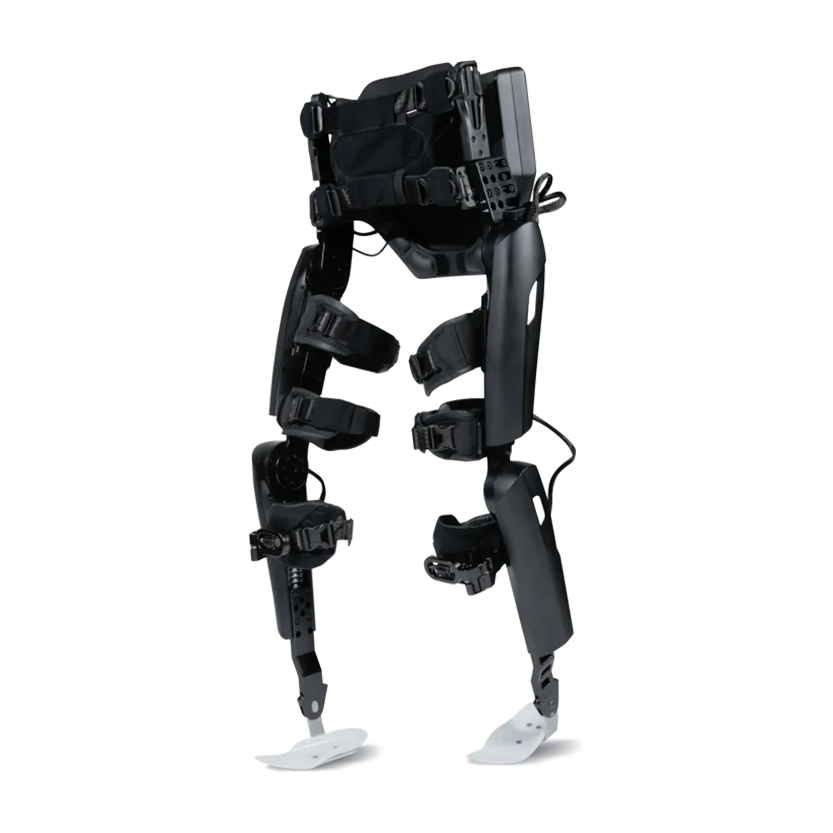
Personal exoskeletons such as the ReWalk 7 allow people with spinal cord injuries to stand upright and walk again, controlled through subtle shifts in balance that feel surprisingly natural. Beyond the obvious emotional impact of standing eye-to-eye with the world, upright mobility brings real physical benefits, from better circulation to reduced pressure injuries.

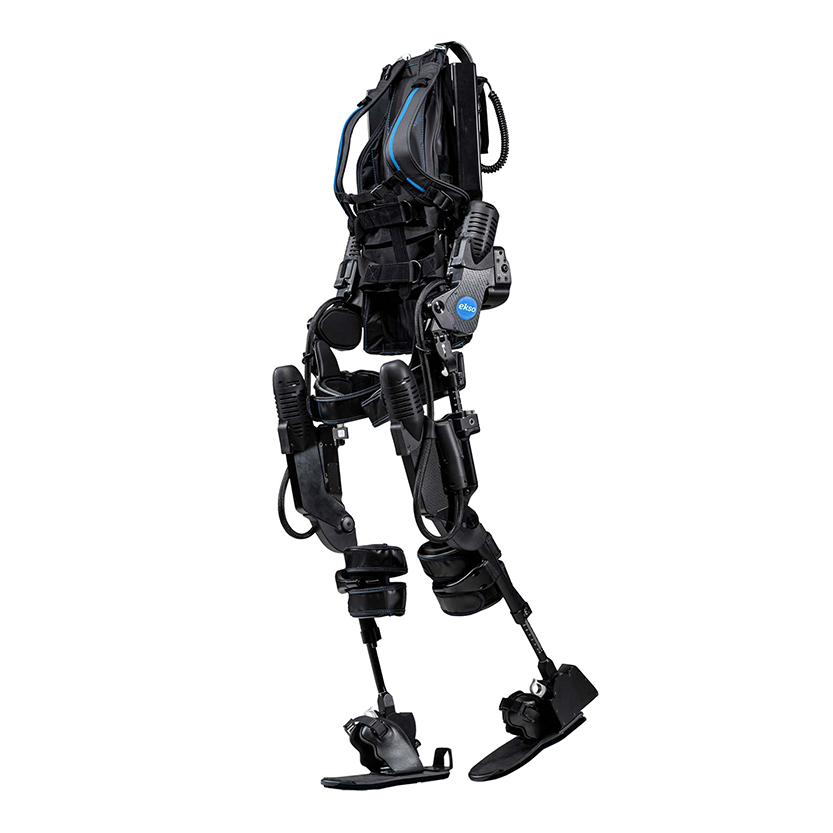
Clinical systems like the EksoNR take this into the rehabilitation setting, guiding intensive, repetitive neuro-rehabilitation that helps retrain the body after stroke or injury. By supporting correct movement patterns thousands of times, these devices help the nervous system relearn what it once knew.

Strength worn on the body

Not every solution needs to be a full exoskeleton. Lighter, more targeted devices like the MyoPro powered arm orthosis read the body's own faint muscle signals and amplify them, restoring function to a weakened or paralyzed arm and hand. For someone who could not previously lift a cup or open a door, the difference is life-changing.

The C-Brace takes a similar philosophy to the lower limb, using sensors and microprocessors to provide intelligent support with every step. These wearable systems prove that restoring mobility is not always about replacing movement — sometimes it is about giving the body the small, smart assistance it needs to move on its own.