Blog
As Smooth as Brewing Coffee
We rarely think about how much friction we tolerate in healthcare until something removes it. Drawing blood, sitting in waiting rooms, deciphering complicated instructions — these have long been treated as the unavoidable price of staying healthy. But a quiet revolution in device design is proving that monitoring your body can be as smooth and unremarkable as brewing your morning coffee.
The devices leading this shift are defined by what they ask of the user, which is almost nothing. They slip into existing routines instead of demanding new ones, and in doing so they make consistent, daily health management realistic for ordinary people living ordinary lives.
Therapy that travels with you
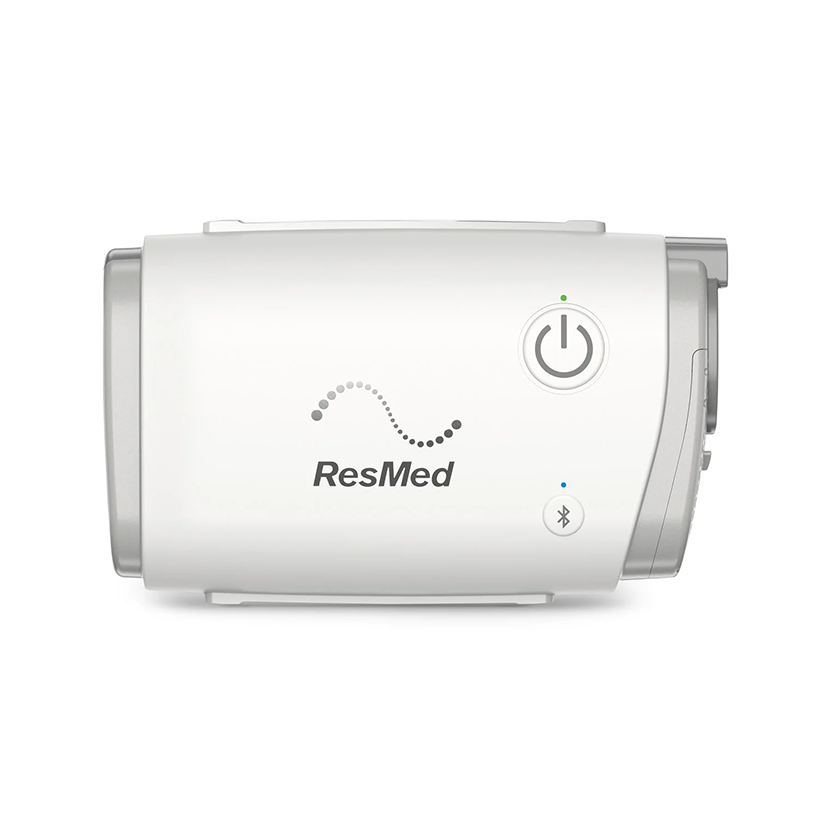
The AirMini portable CPAP shrinks a full sleep-therapy system down to something that fits in the palm of a hand, yet it never compromises on the quality of treatment. For someone who once dreaded packing a bulky machine for every trip, the experience is transformed: therapy simply comes along, as effortlessly as a toothbrush.
That portability changes behaviour, and behaviour is everything in chronic care. When a device removes the reasons people skip their treatment, adherence rises naturally, and the health benefits follow without anyone having to be nagged into compliance.
Numbers without needles
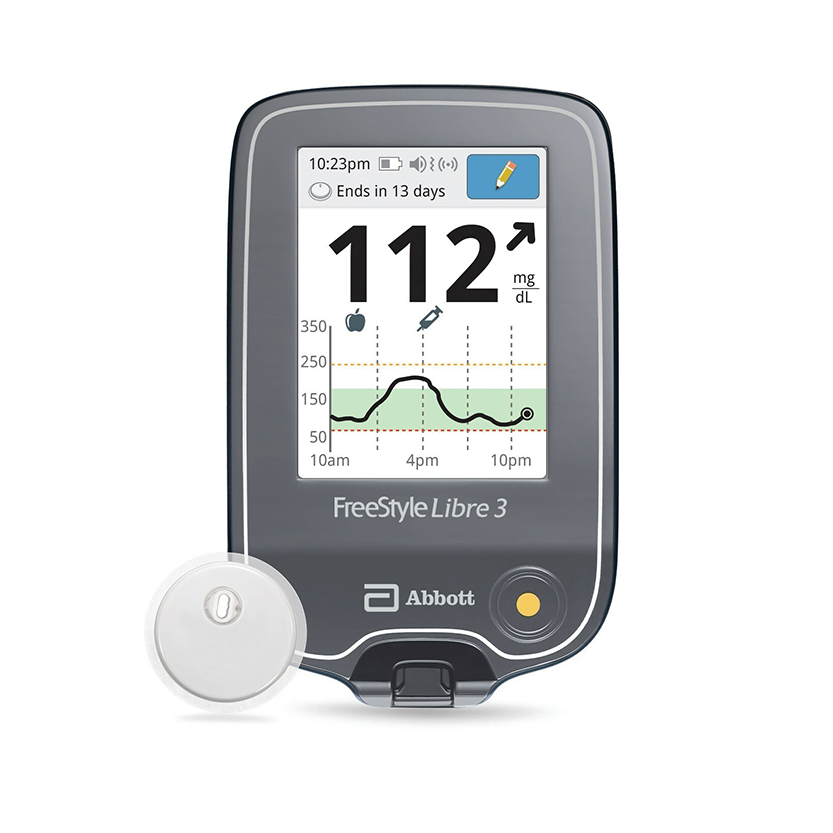
Continuous glucose monitors like the FreeStyle Libre have rewritten the daily experience of living with diabetes. Instead of repeated finger-pricks, a small sensor sits discreetly on the arm and delivers a steady stream of readings to a phone, turning a once-painful ritual into a glance.
The deeper benefit is understanding. Seeing how a meal, a walk, or a stressful afternoon moves your glucose in real time gives people the kind of intuitive feedback that no occasional lab test ever could, and that understanding is what turns data into better choices.
Designed to disappear
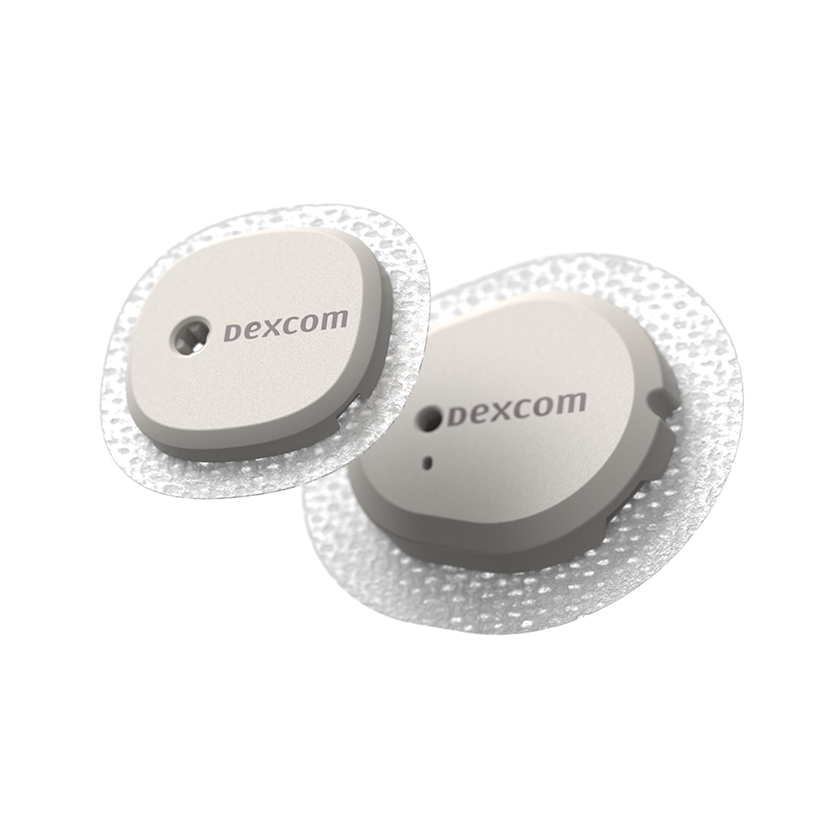
The Dexcom G7 pushes this philosophy even further, with a smaller footprint, a faster warm-up, and an interface that asks almost nothing of the person wearing it. It is healthcare that recedes into the rhythm of daily life rather than interrupting it.
This is the future that good design promises: not a life organized around managing a condition, but a condition quietly managed in the margins of a full and ordinary life. When the hardest part of monitoring your health becomes as easy as brewing coffee, far more people will actually do it — and that is where the real gains in health begin.