Mobility

Exploring Modern Home Care

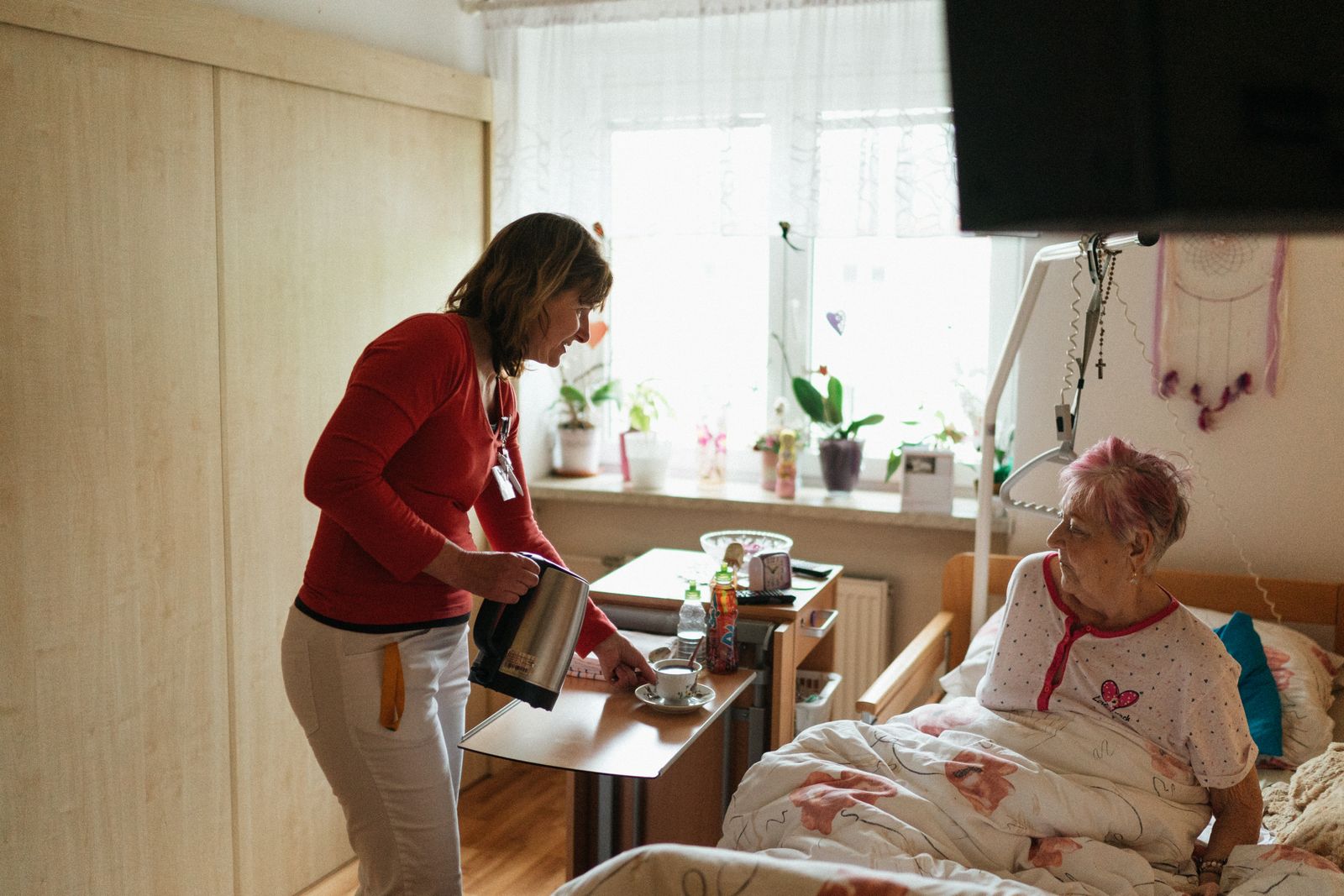
Caregiver assisting an elderly person at home

Care no longer has to mean a clinic visit or a hospital stay. A new generation of connected medical devices is quietly bringing clinical-grade monitoring into the living room, the bedroom, and everywhere that daily life actually happens. For families caring for an aging parent or a loved one recovering from surgery, this shift is reshaping what support at home can look like — and how confident everyone can feel about it.

The promise of modern home care is not simply convenience. It is the ability to catch problems earlier, to reduce avoidable hospital readmissions, and to let people keep their routines, their privacy, and their sense of independence. The technology works best when it stays in the background, gathering insight without demanding attention, and stepping forward only at the moment it is truly needed.

Safety that fades into the background

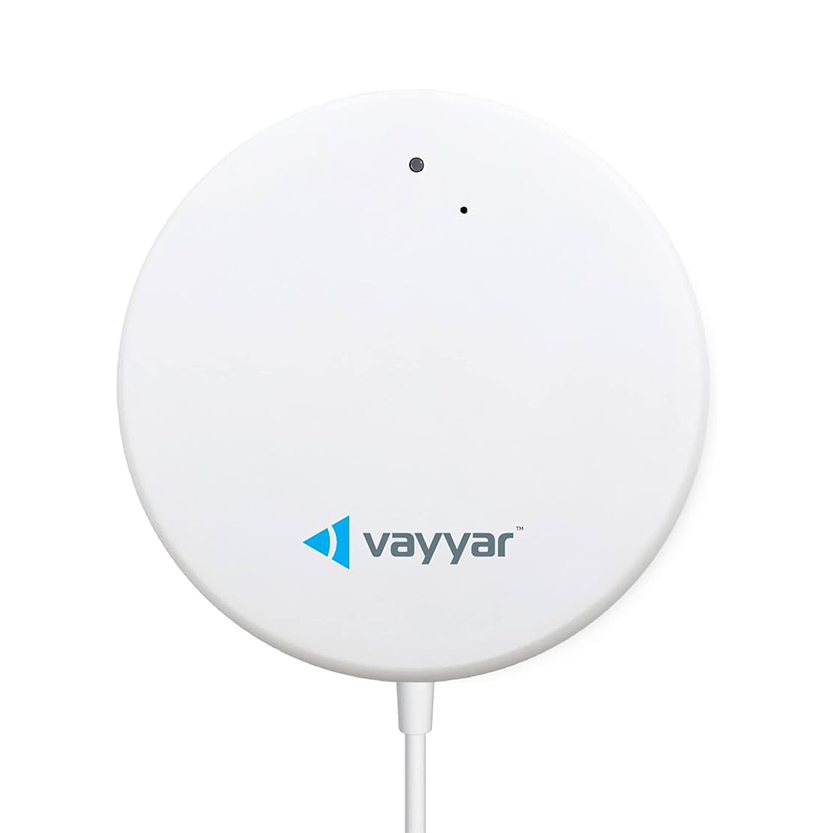
The best home-care technology is the kind you barely notice until the moment you need it. Radar-based sensors such as Vayyar Care watch an entire room for falls and meaningful changes in activity, all without a single camera or a wearable device that has to be charged and remembered. Because there is no lens involved, privacy is preserved in even the most sensitive spaces, yet the system can still raise an alarm the instant something goes wrong.

What makes this approach so compelling for families is its consistency. A sensor never gets tired, never steps out for a coffee, and never misses the small overnight changes that often precede a larger health event. It simply keeps watch, turning a quiet room into a safety net that respects the dignity of the person living in it.

Help built into the home itself

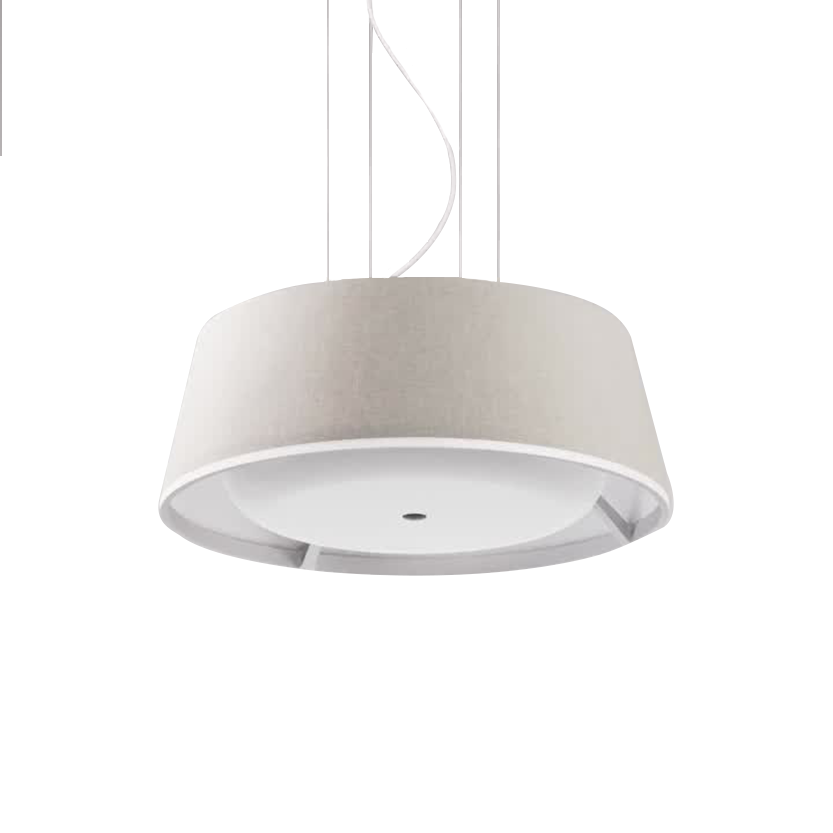
Some of the most thoughtful devices disappear into the architecture of the home. The Nobi Smart Lamp looks and behaves like ordinary ceiling lighting, brightening a room as someone gets up at night, yet it is quietly detecting falls and able to call for assistance the moment one happens. By embedding protection into something as familiar as a lamp, it removes the stigma that can come with visible medical equipment.

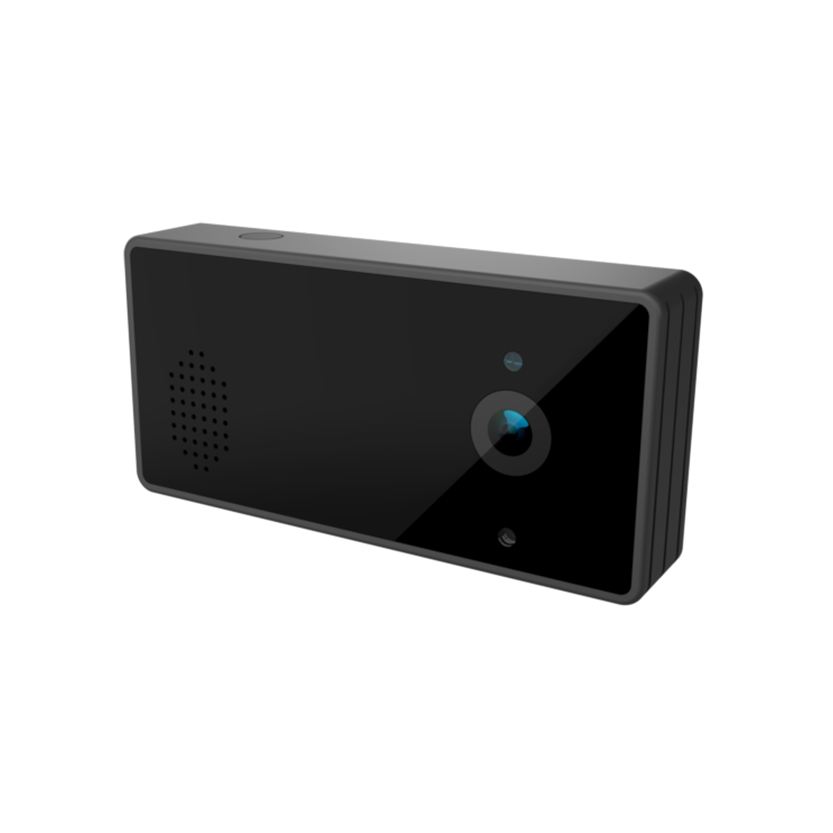
Alongside it, the Sentinare 3 uses on-device artificial intelligence to track wellness patterns over time and send gentle, well-timed alerts to caregivers. Rather than flooding a family with raw data, it learns what normal looks like for an individual and flags the deviations that genuinely matter, turning continuous observation into something that is actually manageable.

Care that respects independence

What ties all of these products together is a simple but powerful idea: people heal and thrive best in their own space, surrounded by their own things and their own routines. Modern home-care devices give caregivers real peace of mind without taking away a loved one's freedom or sense of self, and that balance is exactly what good care should feel like.

As these tools become more capable and more affordable, the line between the clinic and the home will continue to blur. The future of care is not a colder, more clinical house — it is a warmer, smarter one, where technology works gently in the service of the people who live there.